
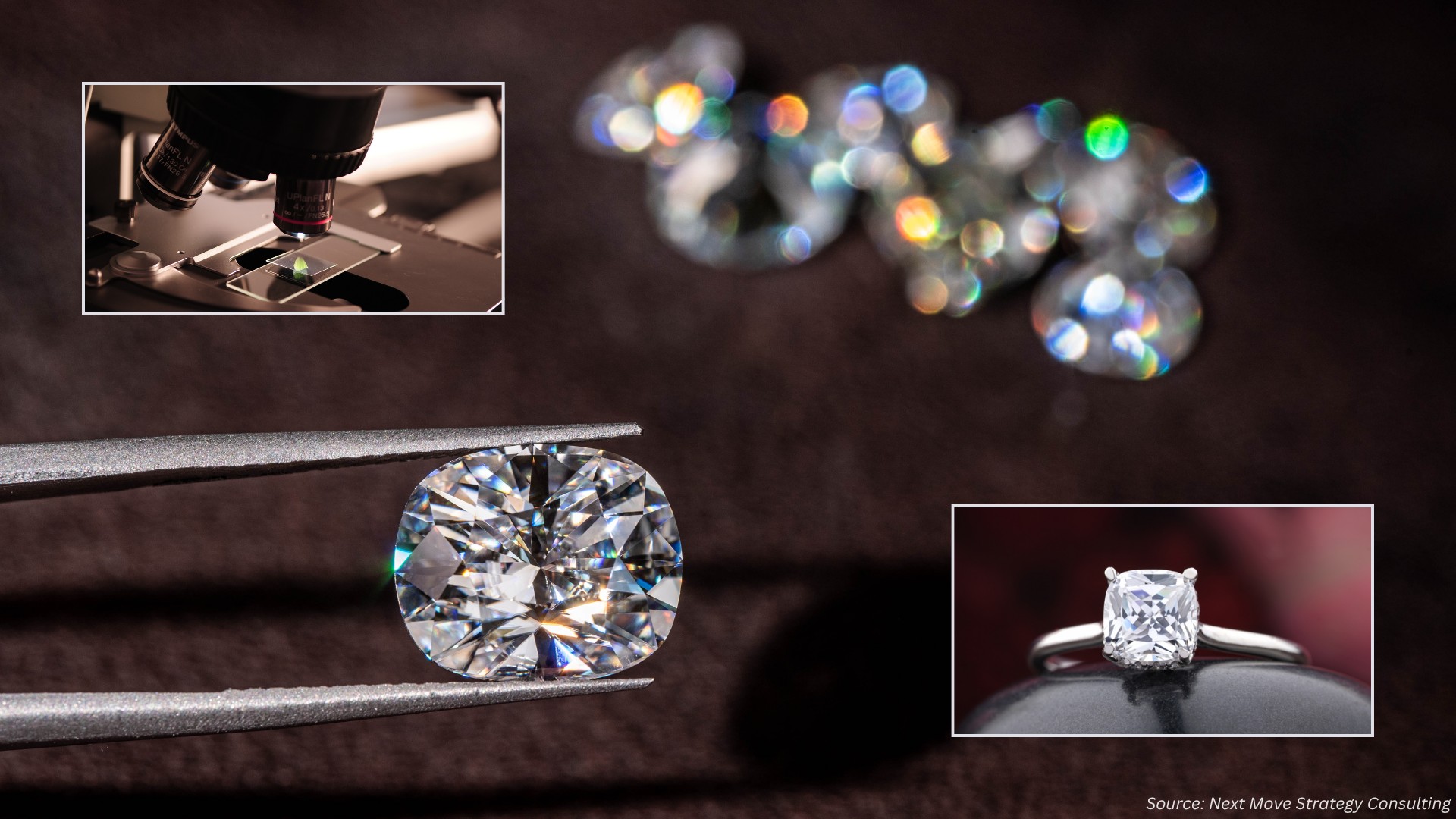
The Rise of Diamond Pendants in New Zealand: Why Lab‑Grown Diamonds Are Reshaping the Market
In recent years, diamond pendants have remained a staple of fine jewellery wardrobes across New Zealand — timeless symbols of elegance, celebration, and personal style. Yet, the way Kiwis choose these treasured pieces is evolving just as fast as the design trends themselves. Among the biggest shifts in the jewellery market is the growing popularity of lab‑grown diamonds: stones that combine classic diamond beauty with modern ethics, accessibility, and value.
What Are Lab‑Grown Diamonds?
Lab‑grown diamonds are genuine diamonds created under controlled laboratory conditions using advanced technology that replicates the high pressure and high temperature environment in which natural diamonds form deep within the Earth. Chemically, physically, and optically, they are identical to traditional mined diamonds — possessing the same carbon crystal structure, sparkle, hardness (10 on the Mohs scale), and brilliance that define diamond jewellery. They are not simulants like cubic zirconia or moissanite; they are real carbon diamonds with the same characteristics collectors expect from any fine gemstone.
The most common lab production methods — high pressure high temperature (HPHT) and chemical vapour deposition (CVD) — result in stones indistinguishable to the naked eye from mined diamonds. While laboratory origin means quicker production, certification and laser inscriptions on the stone’s girdle help authenticate and trace its origin.
Why Lab‑Grown Diamonds Matter in New Zealand
1. Ethical and Environmental Considerations
One of the strongest drivers behind the shift to lab‑grown diamonds in NZ is ethics. Traditional diamond mining can involve environmental disruption, large‑scale land movement, and supply chain opacity. In contrast, lab‑grown diamonds eliminate mining altogether. They are conflict free and generally have a smaller ecological footprint, making them attractive to environmentally conscious consumers and younger buyers in particular.
2. Value and Accessibility
Lab‑grown diamonds typically cost substantially less than their mined counterparts — often 30–80% less for similar size and quality — due to lower production and middleman costs. This value proposition allows New Zealand buyers to choose larger or higher‑grade stones within the same budget they might spend on smaller natural diamonds, or invest in more elaborate designs with multiple stones or unique settings.
3. Certification and Consumer Confidence
Reputable labs like the International Gemological Institute (IGI) grade lab‑grown stones using the same rigorous criteria as mined diamonds — cut, colour, clarity, and carat weight — and include reports that specify the stone’s origin and quality. An IGI certificate acts as a “diamond passport,” building confidence for buyers and adding transparency to the purchase process.
Lab‑Grown Diamond Pendants: Popular Options in NZ
Diamond pendants span a range of styles, from minimalist everyday pieces to ornate statement favourites. In the NZ market, several lab grown diamonds options stand out:
-
Solitaire Diamond Pendants: Clean, classic designs featuring a single lab‑grown diamond set in gold. For example, a 1 carat solitaire lab‑grown pendant in 14K yellow gold offers timeless sophistication and everyday wearable luxury.
-
Cluster or Drop Pendants: For more impact, multi‑stone or cluster styles use several smaller diamonds arranged to maximise sparkle — especially popular for anniversaries or special gifts.
-
Themed Designs: Some brands in NZ offer symbolic shapes such as hearts or crosses embellished with lab‑grown diamonds. These can add personal meaning or reflect cultural style preferences, while giving ample sparkle for formal or casual wear.
-
Daily Wear Elegance: Simpler, smaller pendants with 0.2–0.5 carats of lab‑grown diamonds set in 9K or 14K gold make ideal everyday pieces that pair well with both casual and formal attire.
Across these options, buyers enjoy IGI‑certified stones, quality finishes in gold or alternative metals, and designs meant to enhance light reflection, giving lab‑grown diamonds their characteristic brilliance.
Comparing Lab‑Grown and Natural Diamond Pendants
While lab‑grown and mined diamonds share the same physical properties, there are a few practical distinctions Kiwis consider:
-
Price Point: Lab‑grown diamonds generally offer superior value for size and clarity, making them attractive for buyers prioritising sparkle and size over investment resale value.
-
Resale Value: Mined diamonds often retain higher resale value due to rarity and market tradition, whereas lab‑grown diamonds currently have limited secondary market demand and lower long‑term price stability.
-
Perception and Tradition: Some consumers prefer natural stones for their geological history and traditional prestige. However, ethical and environmental concerns continue to lead a growing segment of the NZ market toward lab‑grown alternatives.
Choosing the Right Pendant in NZ
When shopping for a lab‑grown diamond pendant nz — whether from a boutique jeweller or a bespoke maker — consider the following:
-
Certification: Always require an independent diamond report (e.g., IGI) specifying lab origin and graded 4Cs to understand exactly what you’re buying.
-
Design and Wearability: Think about how you’ll wear the piece. Classic solitaire settings suit daily wear, while elaborate clusters shine for special occasions.
-
Metal Choice: 14K and 18K gold are common choices that balance durability, colour preference, and value.
-
Budget Planning: Lab‑grown diamonds allow buyers to prioritise size, quality, or style while staying within budget — a flexibility that’s key for personal gifts or milestone jewellery.
Conclusion
Diamond pendants remain an elegant staple in New Zealand jewellery collections, and lab‑grown diamonds are fast becoming a defining trend in this space. Combining real diamond quality with ethical sourcing, environmental consciousness, and improved value, lab‑grown diamond pendants offer NZ consumers a modern way to celebrate life’s moments with brilliance — without the traditional compromises of cost or sustainability.
